Managing money doesn’t have to be complicated, and that’s exactly why the 50 30 20 budgeting rule became so popular. It offers a simple framework to divide your income into three clear categories. But with rising living costs, digital spending habits, and changing financial priorities, many people are now asking—does it still work today?
What Is the 50/30/20 Budgeting Rule?
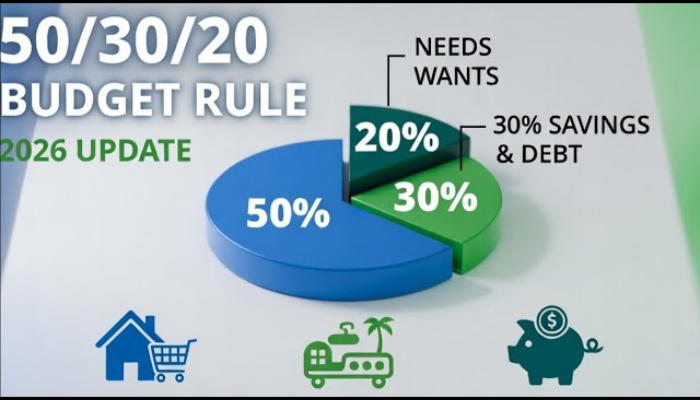
The 50 30 20 budgeting rule suggests splitting your after-tax income like this:
- 50% for Needs – essentials like rent, groceries, utilities, transportation
- 30% for Wants – dining out, entertainment, shopping, subscriptions
- 20% for Savings – emergency fund, investments, debt repayment
This method is popular because it’s easy to follow and doesn’t require complex tracking.
Why It Still Works
Even in 2026, the 50 30 20 budgeting rule remains relevant for several reasons:
1. Simplicity
It’s beginner-friendly. You don’t need spreadsheets or finance apps to get started.
2. Balanced Approach
It allows you to enjoy your money while still saving for the future.
3. Flexibility
You can adjust percentages slightly depending on your income and location.
Where It Falls Short Today
However, the rule isn’t perfect in the current financial landscape:
1. Rising Living Costs
In cities like Kolkata or other urban areas, essentials can exceed 50% easily.
2. Debt Challenges
If you have high debt, 20% savings may not be enough—you might need to allocate more.
3. Irregular Income
Freelancers or gig workers may find fixed percentages difficult to maintain.
Read More-How to Secure Your Smartphone in 10 Minutes
The Impact of Digital Spending Habits

One major change in recent years is the rise of digital payments and online subscriptions. From OTT platforms to food delivery apps, spending has become more effortless—and sometimes invisible. This can make the 50 30 20 budgeting rule harder to follow because small, frequent transactions quickly add up. Without careful tracking, your “wants” category can easily exceed 30%.
Inflation and Lifestyle Upgrades
Inflation has significantly impacted how people allocate their income. Essentials such as rent, groceries, and fuel are consuming a larger share of monthly earnings. At the same time, lifestyle expectations have increased—people are spending more on experiences, travel, and convenience. Because of this, sticking strictly to the 50 30 20 budgeting rule may feel unrealistic for many households.
Importance of Emergency Funds
One area where the rule still proves valuable is savings. The 20% allocation encourages building an emergency fund, which is more important than ever. Unexpected expenses like medical emergencies, job loss, or economic downturns can disrupt finances. By consistently saving, even within the 50 30 20 budgeting rule, individuals can create a financial safety net.
How to Adapt the Rule in 2026
Instead of following it strictly, consider a modified approach:
- 60/20/20 – for high cost-of-living situations
- 50/20/30 – if you want to prioritize savings more
- Custom budgeting – adjust based on your financial goals
You can also track expenses weekly instead of monthly to stay aligned with your budget.
Practical Tips to Make It Work
To make the 50 30 20 budgeting rule more effective in modern times, try these strategies:
- Use budgeting apps to monitor spending in real-time
- Automate savings to ensure consistency
- Review and adjust your budget every month
- Cut unnecessary subscriptions and impulse purchases
- Set clear financial goals (short-term and long-term)
Who Should Use It?
This rule works best for:
- Beginners in personal finance
- Salaried individuals with stable income
- People looking for a simple budgeting structure
If your finances are more complex, you may need a more detailed budgeting strategy.
Final Thoughts
So, does the 50 30 20 budgeting rule still work? Yes—but with adjustments. It’s a great starting point, but modern financial realities mean you should personalize it to fit your lifestyle.
Rather than treating it as a strict formula, use it as a flexible guide. When adapted properly, the 50 30 20 budgeting rule can still help you achieve financial stability, control your spending, and build a secure future.