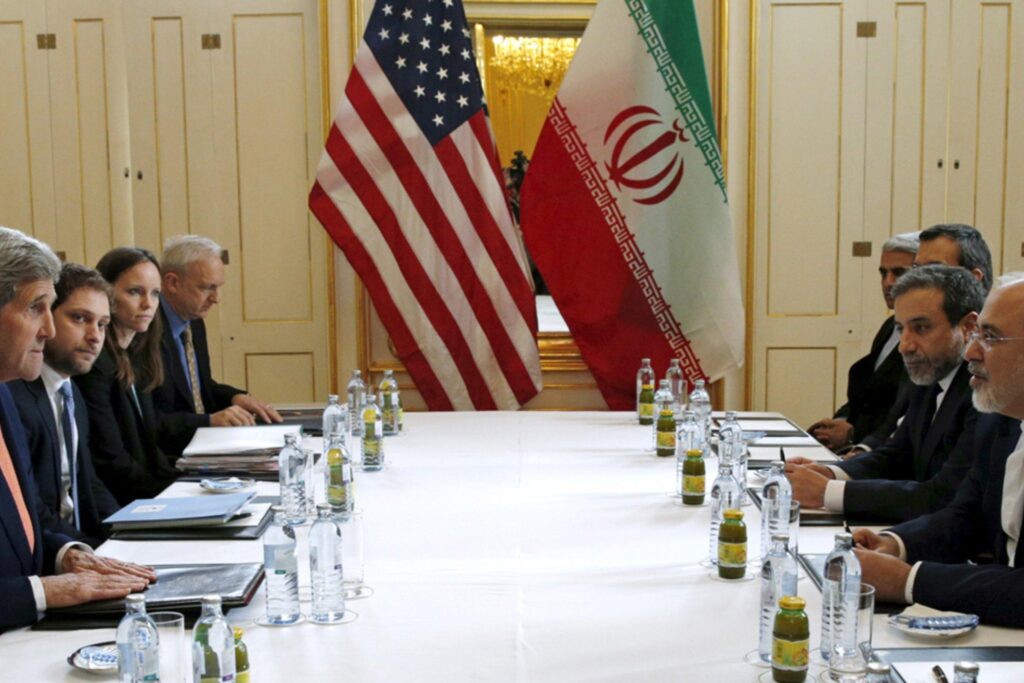
Fresh uncertainty has surrounded relations between the United States and Iran after President Donald Trump made a strong statement about ongoing peace negotiations. The phrase Trump Iran Peace Deal Scrapped quickly began trending online after Trump declared that Iran would receive “no money, not ten cents” from the United States. His comments came at a time when many observers believed diplomatic efforts between Washington and Tehran were moving in a positive direction.
The statement has sparked fresh debate about the future of U.S.-Iran relations and whether a long-term peace agreement can still be achieved.
Trump’s Comments Shake Diplomatic Efforts
Trump’s latest remarks arrived shortly after reports emerged that scheduled talks between American and Iranian officials had been delayed. While negotiations were never finalized, there had been growing optimism that both sides were exploring ways to reduce tensions and establish a framework for future cooperation.
However, Trump’s firm rejection of any financial support for Iran has raised questions about whether negotiations can continue smoothly. His message was clear: the United States would not provide financial assistance as part of any agreement.
The comments quickly drew reactions from political leaders, analysts, and international observers who are closely following developments in the region.
What Was the Proposed Peace Deal?
The proposed agreement was designed to ease tensions that have defined U.S.-Iran relations for decades. Although details remained limited, reports suggested that negotiators were discussing issues related to regional security, economic sanctions, and Iran’s nuclear activities.
Supporters of the talks believed a diplomatic breakthrough could help stabilize the Middle East and reduce the risk of future conflicts. They argued that maintaining dialogue was the best way to address long-standing disagreements between the two countries.
While no final deal had been signed, many viewed the negotiations as a significant step forward.
The Money Issue Becomes a Major Flashpoint
One of the biggest points of disagreement appears to be the issue of financial support and economic relief.
Some reports suggested that economic incentives could eventually be offered if Iran met specific commitments related to security and nuclear restrictions. Critics, however, argued that such arrangements would effectively reward Tehran without guaranteeing meaningful changes.
Trump strongly pushed back against those suggestions. By stating that Iran would receive “no money, not ten cents,” he sought to reassure supporters that his administration would not approve any agreement that involved direct financial assistance.
His remarks immediately became one of the most discussed aspects of the ongoing diplomatic dispute.
Nuclear Concerns Still Dominate Discussions
Iran’s nuclear program remains at the center of negotiations. For years, Western governments have expressed concerns about uranium enrichment activities and the possibility of future weapons development.
Any long-term agreement would likely require strict monitoring measures, international inspections, and commitments from both sides. While progress had reportedly been made during earlier discussions, major differences remain unresolved.
Experts say that finding common ground on nuclear issues will be essential if negotiations are to move forward.
Supporters Applaud Trump’s Tough Position
Many of Trump’s supporters believe his hardline approach strengthens America’s bargaining power.
They argue that maintaining economic pressure on Iran forces its leaders to negotiate seriously and prevents the country from gaining benefits without making substantial concessions. According to this view, offering financial incentives too early could weaken the United States’ negotiating position.
Several political allies praised Trump’s statement, describing it as a demonstration of strength and consistency in foreign policy.
Critics Fear the Talks Could Collapse
Not everyone shares that perspective. Critics warn that strong public statements could make diplomatic progress more difficult.
They argue that successful negotiations often require compromise and careful communication. Some foreign policy experts believe Trump’s comments may complicate efforts to rebuild trust between the two sides.
Others worry that if talks remain stalled, tensions in the region could increase once again, creating new challenges for global security.
Regional Stability Remains a Key Concern
The broader Middle East continues to face political and security challenges. Conflicts involving regional powers, militant groups, and neighboring countries have made diplomacy increasingly complicated.
Many governments have encouraged both Washington and Tehran to continue discussions despite their disagreements. International leaders believe that a peaceful resolution would benefit not only the two countries involved but also the wider region.
For that reason, there remains hope that negotiations can eventually resume.
Global Markets Are Watching Closely
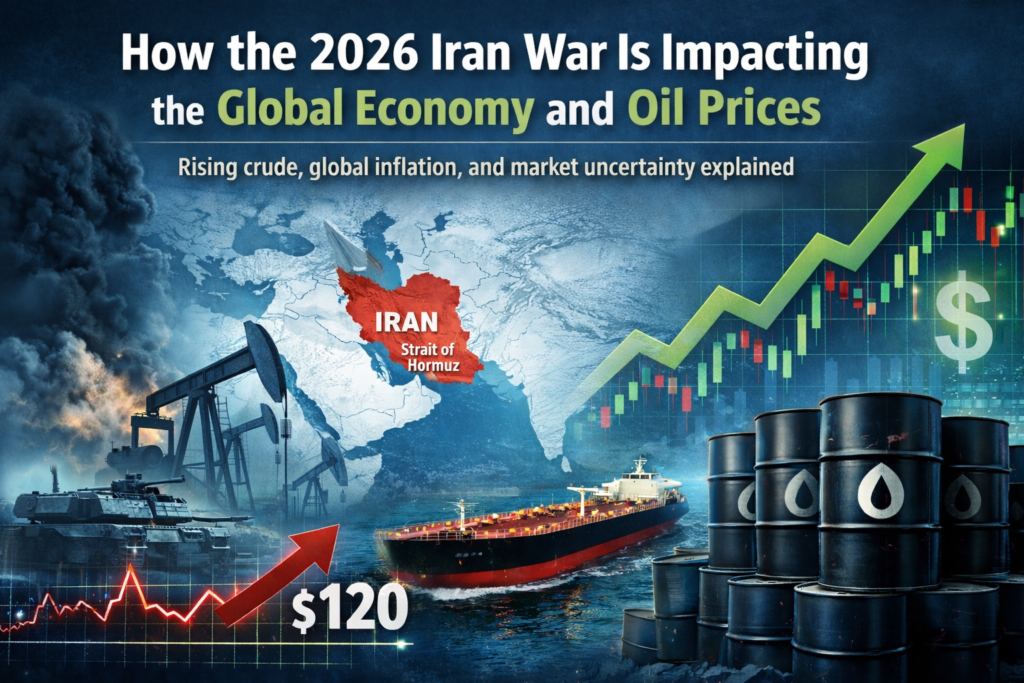
Developments involving Iran often have a direct impact on global energy markets. The country plays an important role in regional oil production and sits near critical shipping routes used by international trade.
Whenever tensions rise, investors become concerned about potential disruptions to energy supplies. As a result, news surrounding U.S.-Iran relations is closely monitored by businesses, governments, and financial markets around the world.
The latest uncertainty has once again placed the spotlight on the economic consequences of geopolitical tensions.
What Comes Next?
At this stage, the future of the negotiations remains uncertain. Neither the United States nor Iran has officially ended discussions, but recent events have undoubtedly made progress more challenging.
Diplomatic channels remain open, and many analysts believe both sides could return to the negotiating table in the coming weeks or months. Whether that happens will depend on their willingness to address key disagreements and rebuild momentum.
Also Read More About: Telegram Ban in India 2026: Why the Government Restricted the App and What Happens Next ?
Conclusion
The Trump Iran Peace Deal Scrapped controversy has become one of the most closely watched international developments in recent weeks. Trump’s declaration that Iran would get “no money, not ten cents” has added a new layer of tension to already complex negotiations.
While supporters see the statement as a sign of strength, critics fear it could derail diplomatic progress. As discussions continue behind the scenes, the world will be watching closely to see whether the two nations can find a path toward a lasting agreement or whether tensions will continue to grow.