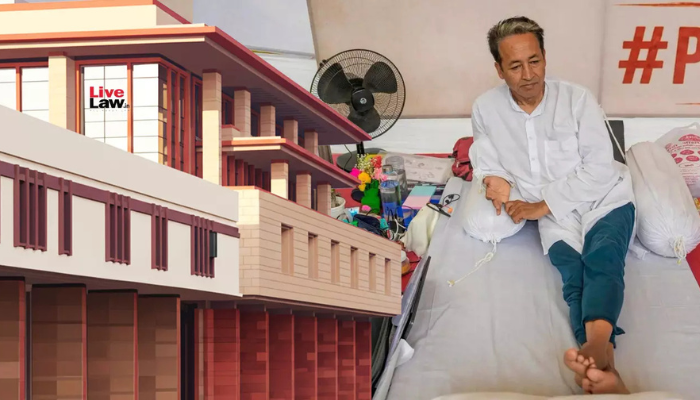
Environmental activist and education reformer Sonam Wangchuk continues to make national headlines as his ongoing hunger strike enters a critical phase. In a significant development, the Delhi High Court has directed authorities to conduct daily health monitoring to ensure his well-being throughout the protest. The court’s decision reflects the importance of safeguarding the health of individuals exercising their democratic right to peaceful protest.
The latest order has attracted widespread attention across India, with citizens, legal experts, environmental activists, and public figures closely following every update. While the protest continues, the court has emphasized that protecting life and health remains a top priority.
Why Is Sonam Wangchuk on Hunger Strike?
Sonam Wangchuk has long been recognized for his efforts in environmental conservation, sustainable development, and educational innovation in Ladakh. Through his hunger strike, he seeks to draw attention to issues that he believes require urgent government action, particularly those related to environmental protection, ecological balance, and the future of the Himalayan region.
According to supporters, the protest is intended to encourage constructive dialogue between stakeholders while highlighting concerns about the fragile ecosystem of Ladakh. As a result, the movement has generated discussions among policymakers, environmentalists, and citizens nationwide.
Moreover, the peaceful nature of the protest has reinforced Wangchuk’s commitment to non-violent advocacy and democratic values.
Delhi High Court Steps In
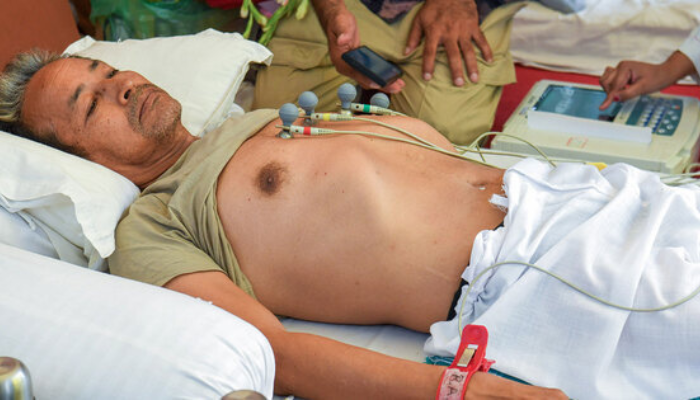
Recognizing the seriousness of the situation, the Delhi High Court directed the concerned authorities to monitor Sonam Wangchuk’s health every day during his indefinite fast.
Furthermore, the court instructed medical professionals to regularly assess his physical condition and provide timely updates. If his health shows signs of significant deterioration, authorities have been asked to take appropriate medical steps in accordance with the law.
The court clarified that while every individual has the constitutional right to peaceful protest, authorities also have a responsibility to protect life and ensure access to necessary medical care.
This balanced approach has been welcomed by many legal experts, who believe it respects both individual rights and public responsibility.
Growing Public Attention
Meanwhile, the hunger strike has sparked conversations across social media platforms and news channels. Supporters from different parts of the country have expressed solidarity with Sonam Wangchuk, praising his dedication to environmental awareness and sustainable development.
In addition, many organizations have appealed for meaningful discussions between government representatives and the activist. They believe that constructive dialogue could help address concerns while ensuring that the situation does not escalate further.
Public interest has continued to grow because the issues raised during the protest affect not only Ladakh but also broader discussions about climate change, ecological preservation, and responsible development.
Medical Monitoring Remains a Priority
Daily medical evaluations are now an essential part of the ongoing legal process. Doctors are expected to monitor vital signs, hydration levels, nutritional status, and overall physical health.
As the hunger strike continues, medical experts emphasize that prolonged fasting may lead to serious health complications. Therefore, continuous supervision helps reduce potential risks while allowing authorities to respond quickly if emergency treatment becomes necessary.
The High Court’s order reflects a preventive approach aimed at ensuring the protest remains peaceful without compromising the activist’s health.
Impact on Environmental Discussions
Beyond the legal developments, the protest has reignited conversations about environmental sustainability in India.
Many experts believe that Sonam Wangchuk’s campaign has once again highlighted the importance of preserving fragile mountain ecosystems. Climate change, glacier melting, water security, and sustainable tourism remain major concerns for Himalayan regions.
Consequently, environmental organizations hope that increased public awareness will encourage long-term policy discussions focused on conservation and responsible development.
The ongoing debate also demonstrates how peaceful activism can inspire meaningful conversations about national priorities.
Calls for Dialogue Continue
Several public personalities, civil society groups, and legal observers have encouraged both sides to engage in open discussions. Rather than allowing tensions to rise, they believe that dialogue offers the most effective path toward finding practical and balanced solutions.
Additionally, many supporters have appealed to Sonam Wangchuk to prioritize his health while continuing his advocacy through peaceful democratic means.
Constructive communication remains the key to resolving complex issues involving environmental protection and regional development.
Public Response Across India
Citizens across the country continue to follow every update regarding the hunger strike. Social media users have shared messages supporting environmental awareness while encouraging a peaceful resolution.
At the same time, health experts have reminded the public that prolonged fasting carries significant medical risks. Therefore, the Delhi High Court’s intervention has been viewed by many as a responsible step toward protecting human life without interfering with democratic rights.
The ongoing developments demonstrate the delicate balance between public activism, legal oversight, and healthcare responsibilities.
Conclusion
The Delhi High Court’s decision to ensure daily health monitoring during Sonam Wangchuk’s ongoing hunger strike represents an important effort to balance constitutional rights with medical responsibility. While the protest continues to raise awareness about environmental concerns and sustainable development, the court has made it clear that safeguarding health cannot be overlooked.
Going forward, many hope that meaningful dialogue, mutual understanding, and peaceful discussions will lead to positive outcomes for all stakeholders. Until then, daily health assessments will remain an important safeguard as India closely watches the developments surrounding Sonam Wangchuk and his ongoing movement.