Air travel is widely regarded as one of the safest ways to travel. However, unexpected weather conditions can sometimes turn a routine journey into a frightening experience. That is exactly what happened during the Air India AI2379 Turbulence incident, where a flight from Phuket to Delhi encountered severe turbulence, reportedly causing the aircraft to suddenly lose around 300 feet in altitude. As a result, 17 passengers and crew members suffered injuries, while many others were left shaken by the terrifying mid-air experience.
Although the incident caused panic inside the cabin, the aircraft landed safely in Delhi, and aviation authorities have launched an investigation to determine exactly what happened.
What Happened on Air India AI2379?
The Air India AI2379 Turbulence incident occurred during a scheduled flight from Phuket, Thailand, to Delhi, India. According to initial reports, the aircraft suddenly encountered an area of intense atmospheric instability while cruising at high altitude.
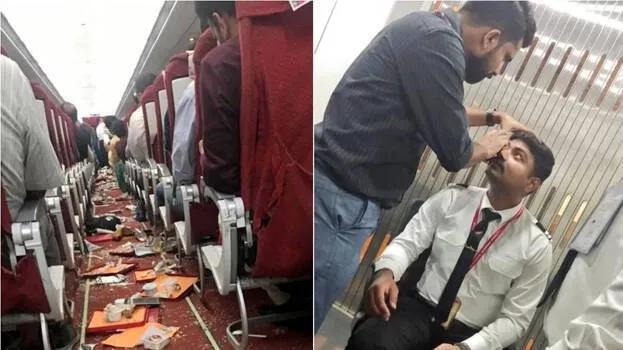
Within seconds, the plane experienced violent shaking, followed by a rapid drop estimated to be nearly 300 feet. Consequently, passengers who were not wearing seat belts were reportedly thrown from their seats, while overhead luggage compartments opened, causing baggage to fall inside the cabin.
Despite the chaos, the pilots maintained control of the aircraft and followed standard operating procedures to stabilize the flight before continuing safely toward Delhi.
How Many People Were Injured?
Following the incident, authorities confirmed that 17 people sustained injuries. These included both passengers and cabin crew members.
Most of the injuries were reported to be minor and included:
- Cuts and bruises
- Head injuries caused by impact
- Shoulder and neck pain
- Minor fractures in a few cases
Fortunately, there were no fatalities, and emergency medical teams were ready to assist passengers immediately after landing.
Passenger Reactions During the Incident
Several passengers described the experience as one of the most terrifying moments of their lives.
Many reported hearing loud screams as the aircraft suddenly dropped. Others recalled seeing luggage flying through the cabin while drinks, food trays, and personal belongings scattered everywhere.
Videos shared on social media captured the aftermath, showing damaged cabin interiors, frightened passengers, and crew members assisting injured travelers.
However, many passengers also praised the professionalism of the flight crew. Cabin attendants remained calm under pressure, while the pilots communicated clearly with passengers after the aircraft stabilized.

What Causes Severe Turbulence?
Although turbulence is common during flights, severe turbulence is relatively rare.
It usually occurs because of changing weather conditions, including:
- Thunderstorms
- Jet streams
- Mountain waves
- Clear Air Turbulence (CAT)
- Strong wind shear
In many cases, clear-air turbulence is particularly dangerous because it cannot always be detected by aircraft radar. Therefore, pilots often rely on weather reports from other aircraft and meteorological forecasts to avoid affected areas.
Experts note that turbulence itself rarely causes an aircraft to crash. Instead, injuries generally occur when passengers are not wearing their seat belts.
Investigation Underway
Following the Air India AI2379 Turbulence incident, aviation authorities initiated an official investigation.
Investigators are expected to examine several factors, including:
- Flight data recorder information
- Cockpit voice recordings
- Weather conditions along the flight path
- Air traffic control communication
- Aircraft systems performance
Additionally, authorities will review whether the aircraft encountered unexpected clear-air turbulence or another atmospheric phenomenon.
The investigation aims to improve aviation safety and help airlines better prepare for similar situations in the future.
Air India’s Response
Air India confirmed that the aircraft encountered severe turbulence during the journey.
The airline also stated that medical assistance was immediately arranged after landing in Delhi. Furthermore, the airline is cooperating fully with aviation regulators during the investigation.
Air India expressed concern for the injured passengers and thanked the flight crew for handling the emergency professionally.
Why Seat Belts Matter
The Air India AI2379 Turbulence incident once again highlights the importance of keeping seat belts fastened whenever passengers are seated.
Many aviation experts recommend leaving the seat belt loosely fastened throughout the flight because turbulence can occur unexpectedly—even when the seat belt sign is turned off.
Simple precautions can significantly reduce the risk of injury.
Passengers should always:
- Keep seat belts fastened while seated.
- Secure cabin baggage properly.
- Follow crew instructions immediately.
- Avoid standing unless necessary.
- Pay attention to safety announcements.
These basic safety measures can make a major difference during unexpected turbulence.
Is Flying Still Safe?
Despite dramatic headlines, aviation experts continue to emphasize that commercial aviation remains one of the safest modes of transportation.
Modern aircraft are specifically designed to withstand severe turbulence. In addition, pilots undergo extensive simulator training to manage weather-related emergencies and unexpected flight conditions.
While incidents like the Air India AI2379 Turbulence event can be frightening, they remain relatively uncommon compared to the millions of safe flights operated worldwide each year.
Furthermore, airlines continuously improve weather monitoring systems, pilot training, and operational procedures to minimize risks.
Lessons From the Air India AI2379 Incident
The Air India AI2379 Turbulence incident serves as a powerful reminder that unpredictable weather can develop even during routine flights. Nevertheless, it also demonstrates the effectiveness of modern aviation safety protocols.
Because the pilots maintained control of the aircraft and the cabin crew responded quickly, the flight landed safely despite the frightening experience. Moreover, the prompt medical response ensured injured passengers received immediate care.
As investigators continue examining the incident, their findings will likely contribute to improved turbulence forecasting and enhanced passenger safety measures across the aviation industry.
Final Thoughts
The Air India AI2379 Turbulence incident has attracted significant attention after reports of a sudden 300-foot drop that injured 17 people during the Phuket–Delhi flight. Although the event caused panic among passengers, the aircraft landed safely thanks to the skill of the flight crew and the aircraft’s robust safety systems.
While severe turbulence cannot always be avoided, passengers can reduce their risk by following airline safety instructions and keeping their seat belts fastened whenever seated. As the official investigation progresses, the aviation industry will continue learning from incidents like this to further strengthen flight safety and passenger confidence.