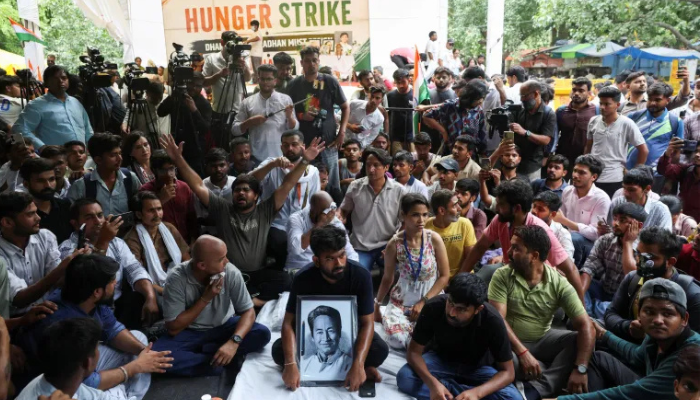
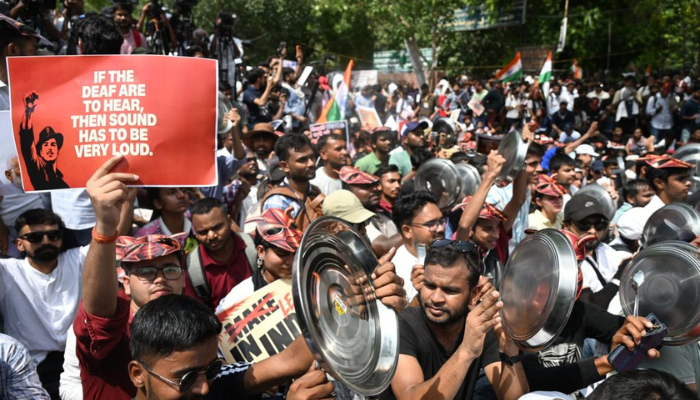
India is witnessing one of its most significant youth-led protest movements in recent years. What began as outrage over repeated examination paper leaks has evolved into a nationwide campaign demanding accountability, transparency, and education reforms. The movement, led by the Cockroach Janta Party (CJP), has drawn thousands of students and young professionals to Delhi’s Jantar Mantar, putting Prime Minister Narendra Modi’s government under growing pressure.
The protests are not only about examination irregularities—they reflect wider concerns about unemployment, meritocracy, and opportunities for India’s growing Gen Z population.
Why Is the Cockroach Party Trending?
The unusual name originated after a Supreme Court judge reportedly compared unemployed youth to “cockroaches.” Instead of rejecting the label, activists embraced it as a symbol of resilience and unity.
Political strategist Abhijeet Dipke transformed the phrase into the Cockroach Janta Party (CJP), which rapidly gained millions of supporters online before bringing thousands onto the streets. The movement now represents frustrated students, job seekers, teachers, and parents demanding systemic reforms.
What Sparked the Protest?
The protests were initially triggered by allegations of repeated paper leaks in major competitive examinations, including medical entrance tests.
The demonstrators are demanding:
- Resignation of Union Education Minister Dharmendra Pradhan
- Independent investigation into examination leaks
- Strong punishment for those responsible
- Compensation for families affected by alleged exam-related tragedies
- Long-term reforms to restore trust in India’s examination system
Many participants argue that years of preparation are being destroyed by corruption and administrative failures.
Latest Jantar Mantar Live Updates
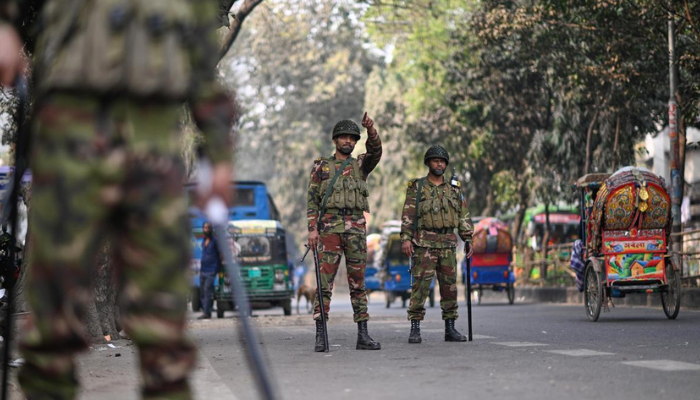
As of today, the protest at Jantar Mantar continues despite heavy police deployment and repeated attempts to clear the demonstration site.
Recent developments include:
- Protesters returned to Jantar Mantar after police removed tents and temporary structures.
- Security has been increased with Delhi Police and Rapid Action Force personnel deployed around the area.
- Opposition leaders, including Rahul Gandhi, expressed support for the movement.
- The government has reviewed security arrangements as demonstrations spread beyond Delhi.
- Activists have pledged to continue peaceful protests until their primary demands are addressed.
Government’s Response
Prime Minister Narendra Modi recently announced plans for fast-track courts to deal with officials responsible for examination paper leaks and promised stronger action against corruption in recruitment processes.
However, CJP leaders have maintained that these announcements do not fully address their core demands. They continue to insist on the resignation of the Education Minister and broader institutional reforms.
Why This Protest Matters
India has one of the world’s youngest populations. Every year, millions compete for limited educational opportunities and government jobs.
For many young Indians, examination fairness directly impacts their careers and financial future.
Political analysts believe the movement reflects broader concerns including:
- Rising youth unemployment
- Lack of transparency
- Competitive examination reforms
- Trust in public institutions
- Democratic participation among Gen Z
Unlike many previous student protests, the Cockroach Party movement has gained significant traction through social media while maintaining continuous on-ground demonstrations.
Read More- iPhone 18 Features: Expected Design, Camera, AI Upgrades, Price & Launch Date
Social Media’s Role
Instagram, X, and other platforms have played a major role in mobilizing supporters.
Thousands of volunteers continue sharing:
- Live protest updates
- Videos from Jantar Mantar
- Medical assistance information
- Food donation drives
- Legal support resources
Online engagement has helped transform a localized protest into a nationwide discussion about education and governance.
What Could Happen Next?
The future of the movement depends on negotiations between protest leaders and the government.
Possible outcomes include:
- Further dialogue with government representatives
- Expansion of demonstrations to more cities
- New education reform proposals
- Continued parliamentary debate over examination reforms
Regardless of the outcome, the protests have already highlighted the political influence of India’s Gen Z voters and their growing willingness to organize around issues affecting education and employment.
Conclusion
The Cockroach Party protests have become much more than a campaign against paper leaks. They represent a broader call from India’s younger generation for transparency, accountability, and equal opportunities.
With thousands still gathering at Jantar Mantar and nationwide attention focused on the movement, the coming weeks may prove crucial for both the protesters and the government. Whether through policy reforms or political dialogue, the issues raised by Gen Z are likely to remain at the center of India’s public discourse.
Trending FAQs
1. What is the Cockroach Janta Party (CJP)?
The Cockroach Janta Party is a youth-led movement advocating education reforms, transparency in competitive examinations, and accountability for alleged paper leaks.
2. Why are students protesting at Jantar Mantar?
Students are demanding action against examination paper leaks, education reforms, and the resignation of Union Education Minister Dharmendra Pradhan.
3. Who is leading the Cockroach Party protests?
The movement is led by political strategist Abhijeet Dipke along with several student organizations and activists.
4. What are the main demands of the protesters?
Their key demands include fair examinations, accountability for paper leaks, systemic reforms, and stronger anti-corruption measures in recruitment and education.
5. Has the government responded?
Yes. Prime Minister Narendra Modi has announced proposals including fast-track courts for paper leak cases, while protesters continue to seek broader reforms and ministerial accountability.