

Your gut does far more than simply digest food. In fact, your digestive system plays a major role in immunity, energy levels, mental wellness, and overall health. Understanding the importance of gut health basics can help you make smarter lifestyle choices and improve your daily well-being naturally.
Today, more people are realizing that a healthy gut is the foundation of a healthier body and mind.
What Is Gut Health?
Gut health refers to the balance of microorganisms living in your digestive system. These bacteria, fungi, and microbes are collectively known as the gut microbiome. When your gut microbiome is balanced, your body functions more efficiently.
However, poor diet, stress, lack of sleep, and unhealthy habits can negatively affect your gut over time.
Why Gut Health Matters
A healthy gut impacts multiple areas of your body beyond digestion. Surprisingly, the gut is often called the “second brain” because of its strong connection to mental and emotional health.
Benefits of a Healthy Gut
- Supports smooth digestion
- Strengthens the immune system
- Improves nutrient absorption
- Boosts energy levels
- Supports mental clarity and mood
- Helps maintain healthy skin
As a result, learning gut health basics can significantly improve your overall quality of life.
Signs Your Gut May Be Unhealthy
Sometimes your body gives subtle warning signs when your digestive system is struggling.
Common Symptoms
- Frequent bloating
- Stomach discomfort
- Fatigue or low energy
- Food sensitivities
- Poor sleep quality
- Skin irritation
- Irregular digestion
Therefore, paying attention to these symptoms early can help prevent long-term health issues.
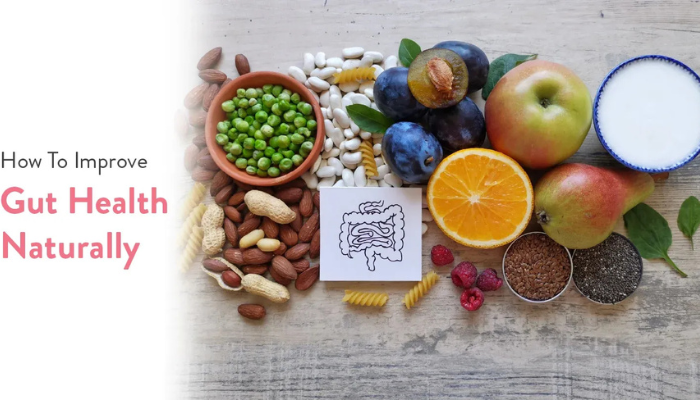
Foods That Support Gut Health
Fortunately, improving gut health can be simple with the right food choices. Eating fiber-rich and probiotic foods helps nourish healthy bacteria naturally.
Best Foods for Gut Health
- Yogurt with probiotics
- Kefir and fermented foods
- Fruits and vegetables
- Whole grains
- Garlic and onions
- Bananas
- Nuts and seeds
Additionally, drinking enough water supports healthy digestion and keeps your gut functioning properly.
The Importance of Probiotics and Prebiotics
Both probiotics and prebiotics play important roles in digestive wellness.
Probiotics
Probiotics are beneficial bacteria that help maintain balance in your digestive system.
Prebiotics
Prebiotics are fibers that feed healthy gut bacteria and help them grow.
Together, they create a healthier digestive environment and improve gut function naturally.
Lifestyle Habits for Better Gut Health
Besides nutrition, daily habits strongly influence your digestive system.
Healthy Lifestyle Tips
- Manage stress regularly
- Exercise consistently
- Sleep at least 7–8 hours
- Reduce processed foods
- Limit excess sugar intake
- Stay hydrated daily
Most importantly, consistency is key when improving gut health over time.
Gut Health and Mental Wellness
Interestingly, the gut and brain communicate constantly through the gut-brain connection. An unhealthy gut may contribute to stress, anxiety, and mood changes.
On the other hand, maintaining strong gut health basics may help support better focus, mood stability, and emotional wellness.
Final Thoughts
Your gut health affects nearly every aspect of your body, from digestion and immunity to mood and energy. By understanding you can create healthier gut health habits that support long-term wellness naturally.
Small daily improvements in diet, hydration, sleep, and stress management can make a powerful difference over time.
Read More-Top Healthy Frozen Meals for Busy Working Professionals