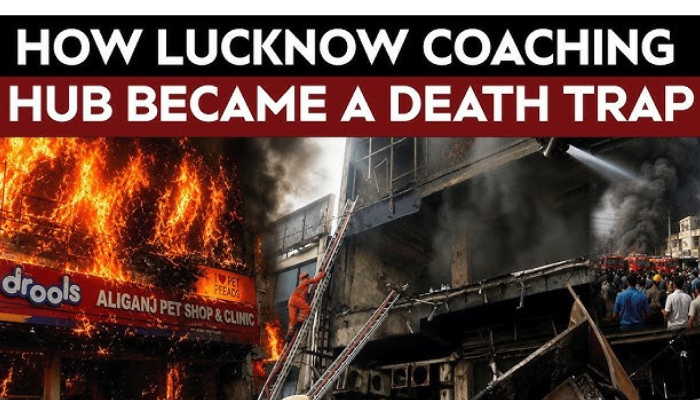
Fire accidents often bring to mind images of flames and severe burns. However, a recent Lucknow fire tragedy has revealed a lesser-known but equally dangerous threat—smoke inhalation. According to medical experts, including doctors from King George’s Medical University (KGMU), many victims in fire incidents lose their lives not because of burns but due to toxic smoke and lack of oxygen.
This heartbreaking incident serves as an important reminder that understanding fire safety can help prevent future tragedies and save countless lives.
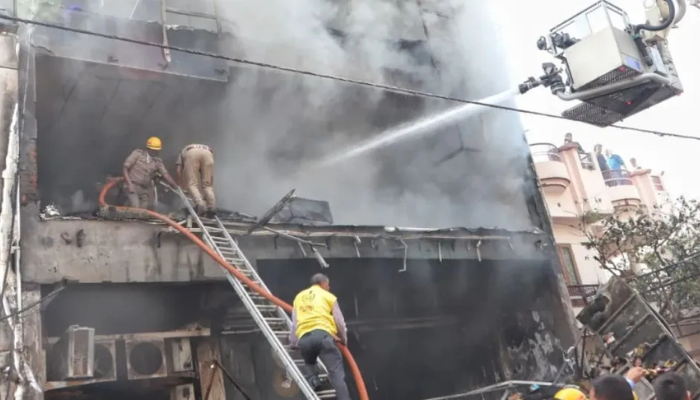
Understanding the Lucknow Fire Incident
The recent Lucknow fire shocked the nation after reports revealed that several children lost their lives despite showing no major burn injuries. Initially, many people were confused about how fatalities could occur without visible signs of severe burns.
Medical professionals later explained that the primary cause was smoke inhalation, a silent and often underestimated danger during fires. While flames can be visible and alarming, toxic gases spread rapidly through enclosed spaces, making them far more dangerous than many people realize.
As a result, this incident has sparked important discussions about fire safety awareness and emergency preparedness across the country.
The Hidden Threat of Smoke Inhalation
One of the most dangerous aspects of any fire is the release of toxic smoke. During a fire, burning materials such as plastic, furniture, fabrics, and electrical components produce harmful gases.
These gases include:
- Carbon monoxide (CO)
- Carbon dioxide (CO₂)
- Hydrogen cyanide
- Toxic particulate matter
When inhaled, these substances can quickly affect the body’s ability to absorb oxygen. Consequently, victims may lose consciousness within minutes even if they are far from the flames.
According to experts, smoke inhalation often causes more deaths than direct burns in large fire incidents.
How Smoke Inhalation Affects the Human Body
To understand the seriousness of smoke inhalation, it is important to know what happens inside the body during a fire.
Normally, oxygen enters the lungs and is transported throughout the body by red blood cells. However, carbon monoxide binds to hemoglobin much more effectively than oxygen. Therefore, oxygen delivery to vital organs becomes severely restricted.
As oxygen levels drop:
- Breathing becomes difficult.
- The brain receives less oxygen.
- Victims experience dizziness and confusion.
- Loss of consciousness can occur rapidly.
- Cardiac arrest may follow if oxygen deprivation continues.
Furthermore, toxic gases can damage lung tissues, causing swelling and respiratory failure.
This is why many fire victims appear physically unharmed yet suffer fatal internal injuries.
Why Children Are More Vulnerable
Children are particularly vulnerable during fire emergencies. Their smaller lungs and faster breathing rates mean they inhale toxic smoke more quickly than adults.
Additionally, young children may:
- Panic during emergencies.
- Struggle to locate exits.
- Hide from danger instead of escaping.
- Be unable to recognize warning signs quickly.
Because of these factors, fire safety awareness in schools, hospitals, and childcare facilities becomes extremely important.
The Lucknow tragedy has once again highlighted the need for stronger safety measures to protect children from similar incidents.
Expert Opinion from Medical Professionals
Doctors from KGMU reportedly emphasized that many victims in fire-related emergencies succumb to oxygen deprivation rather than burn injuries.
Medical experts explain that in enclosed environments, smoke accumulates rapidly. As oxygen levels decrease and toxic gases increase, occupants can become unconscious before flames even reach them.
Therefore, emergency responders often focus on restoring oxygen levels and treating respiratory complications immediately after rescuing victims.
This expert insight helps the public better understand the real dangers associated with fire incidents.
Important Fire Safety Lessons Everyone Should Learn
Although the incident is deeply tragic, it also offers valuable lessons that can help save lives in the future.
1. Install Smoke Detectors
Smoke alarms provide early warnings and can significantly increase survival chances. Every home, school, and public building should have functioning smoke detectors.
2. Know Emergency Exits
Families and organizations should create evacuation plans and regularly practice emergency drills.
3. Stay Low During a Fire
Since smoke rises, cleaner air is usually closer to the floor. Crawling can reduce exposure to toxic gases and improve survival chances.
4. Cover Your Nose and Mouth
Using a damp cloth may help filter some smoke particles while escaping. However, immediate evacuation remains the top priority.
5. Never Ignore Smoke
Even if flames are not visible, smoke can become deadly within minutes. Quick action is essential.
The Importance of Fire Safety Infrastructure
Modern buildings must prioritize fire safety systems. This includes:
- Functional fire extinguishers
- Emergency lighting
- Fire-resistant construction materials
- Automatic sprinkler systems
- Clear evacuation routes
Regular inspections and maintenance can ensure these systems work effectively during emergencies.
Moreover, institutions responsible for children should conduct routine fire drills and staff training programs to improve emergency readiness.
Raising Awareness Can Save Lives
One positive outcome of discussing tragedies like the Lucknow fire incident is increased public awareness. Understanding the dangers of smoke inhalation, oxygen deprivation, and toxic gases can encourage individuals and organizations to take preventive measures.
Awareness campaigns, educational programs, and stricter safety standards can collectively reduce fire-related fatalities.
Importantly, prevention remains the most effective strategy. While emergency services play a critical role, informed citizens can make life-saving decisions during the crucial first moments of a fire.
Conclusion
The Lucknow fire tragedy serves as a powerful reminder that fire-related deaths are not always caused by burns. In many cases, smoke inhalation, toxic gases, and oxygen deprivation become the real threats.
By understanding these hidden dangers, improving fire safety awareness, and implementing stronger safety measures, communities can better protect lives in the future.
Although this heartbreaking incident has left many grieving, it also provides an opportunity to educate the public about the importance of preparedness, prevention, and rapid response. Ultimately, greater awareness and proactive safety measures can help prevent similar tragedies and create safer environments for everyone.