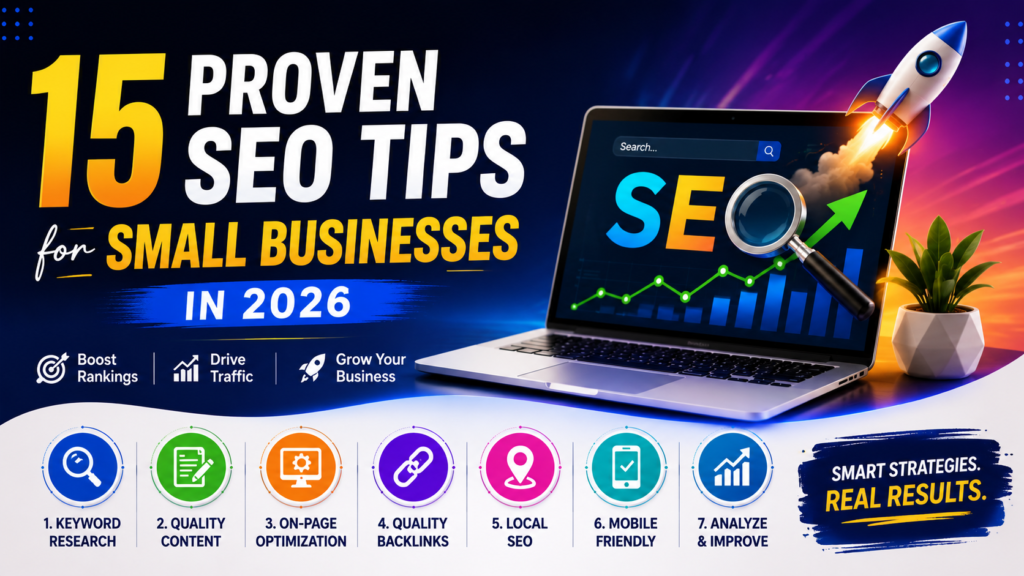
In today’s competitive digital landscape, SEO Tips for Small Businesses kinda play a crucial role in helping companies improve their online visibility, pull in potential customers, and compete with larger brands, not just in theory but in real, day to day results. Small businesses actually need effective SEO strategies in 2026 to increase organic traffic , build customer trust and achieve sustainable growth, without relying on paid advertising only.
SEO Tips for Small Businesses: Why SEO Matters for Growth?
For small companies , being visible online is basically how you reach the correct audience. These SEO Tips for Small Businesses help raise website positions, improve brand awareness, and send visitors who are actually looking for what you offer . Google’s ranking methods are leaning more on helpful content, smoother user experience, faster site performance, and trust related signals. When small businesses follow refreshed SEO habits, they can unlock more long-term growth chances, not just short spikes.
1. Focus on Proper Keyword Research
Keyword research is the core behind SEO success. Small businesses should pin down the phrases and topics customers are typing into search engines. Instead of only chasing the loud , most competitive keywords , it’s smarter to target very specific long-tail phrases, because the ranking odds are usually better and more realistic.
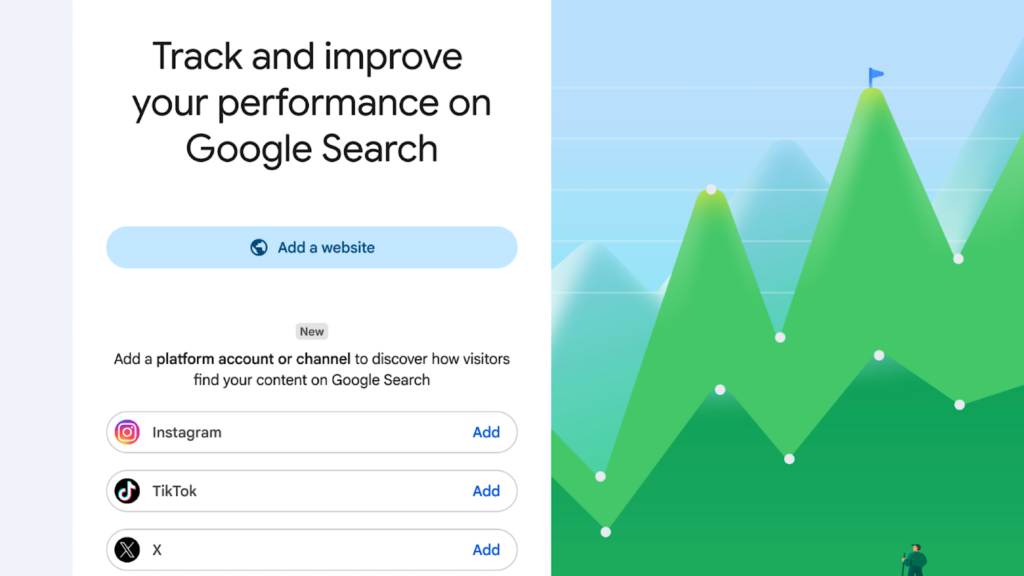
Use tools like Google Keyword Planner, Google Search Console , and other keyword research platforms to see search volume, competition levels, and the real intent behind searches.
2. Optimize your website content
High quality content plays a big role in search rankings . Create useful , informative , and original content that sort of answers customer questions in a direct way. Every page should have a clear purpose and naturally include relevant keywords , not just randomly sprinkle them in.
Try not to do keyword stuffing, because Google basically prioritizes content written for people instead of search engines . Stuffing it too much can look weird and it usually hurts you.
3. Boost local SEO performance
Local SEO is one of those strongest strategies for small businesses. Optimize your Google Business Profile, add correct business information, upload clear photos, collect customer reviews, and keep everything updated.
So when people search for services near them , local SEO helps your business show up in Google Maps and in local search results . That visibility matters a lot.
4. Publish helpful blog content
Posting blog articles on a regular basis can raise website authority and bring in organic visitors over time. Write posts around customer issues, industry changes, and those commonly asked questions people type into search.
A thoughtful content plan helps Google understand your know-how, and it improves your chances to rank for more than one keyword at a time . Sometimes it’s like stacking small wins.
5. Boost Website Speed and overall user experience
How quickly your site loads really matters for user satisfaction. When pages drag, people bounce faster and that can also nudge rankings down, kind of indirectly.
Try to compress images, polish mobile responsiveness, pick reliable hosting that moves quickly, and make sure visitors can steer through your site without thinking too much, or getting stuck.
6. Make Sure Your Website Is Mobile-Friendly
Most people now look things up using smartphones. If your website behaves well on mobile, you get a smoother experience and it usually supports better search visibility too.
Check that the layout works calmly across multiple devices and screen sizes, like phones and tablets with different resolutions.
7. Earn High-Quality Backlinks
Links coming from reputable websites increase your site authority. The goal should be earning links in a natural way through useful content, guest posting, collaborations, and digital PR efforts.
In this case , quality beats volume , every time.
8. Optimize Key On-Page SEO Parts
Focus on important on-page pieces such as
- Title tags
- Meta descriptions
- Header tags
- Image alt text
- Internal links
- URL structure
When these are done properly, search engines grasp your content with less guesswork, and that can help your pages perform better in results.
9. Use Customer Reviews in a Smart Way
Online reviews matter a lot, they sway customers and they can also support search rankings. So, if you have happy clients, push them a bit to leave a positive review on your Google Business Profile, and on a few other platforms that actually match your niche.
When reviews stack up, you look more credible, and you may also get more local visibility. It’s kind of like social proof but in a more discoverable sense.
10. Optimize for Search Intent
Google really tries to give users the best possible answers. Before you write anything, take time to understand what people are actually looking for, then build from that.
Make your content line up with the intent, whether it’s: they need information, a service, a specific product, or a solution to a problem.
11. Use Social Media to Help SEO
Social signals are not a direct ranking factor. But social media can still boost brand awareness, and get more people to visit your website.
Post regularly, like share blog posts, business updates, customer wins, and other useful material. Not just random stuff—try to keep it relevant.
12. Keep an Eye on SEO Performance
Track what’s happening with SEO using tools like Google Analytics and Google Search Console. Keep monitoring things such as:
- Website traffic
- Keyword rankings
- Click-through rates
- User behavior
- Technical issues
Doing this kind of regular analysis is what lets you adjust your strategy and improve over time.
13. Optimize for AI Search and New Tech
Search is evolving, and AI powered results are changing how visibility works. Businesses should publish detailed, trustworthy, and experience based content that answers questions clearly, not vaguely.
If you add structured data, share expert insights, and provide genuinely helpful info, you can get better chances to appear in newer search experiences, and AI-enhanced results.
14. Keep Your Website Secure
Website security kinda builds trust with visitors , and also with search engines. Use HTTPS, update plugins , get rid of harmful files, and safeguard customer information.
A protected website also leads to a smoother user experience , and that matters.
15. Keep Up With SEO Trends
SEO keeps moving because Google updates its algorithms on a regular basis. Small businesses should watch what’s happening in the industry, then tweak their approach, not just “set it and forget it”.
Companies that emphasize quality content, user experience, and what customers actually need tend to do better over the long run.
Also Read More About: SEO Website Audit: A Complete Step-by-Step Guide to Improve Your Website Rankings
Final Thoughts
Using real SEO Strategies for Small Businesses can help a company boost its Google rankings, pull in more customers, and strengthen its online footprint. SEO is not something that happens overnight, it’s more like steady tuning, helpful content development , and strategies that stay centered on people.
In 2026, small businesses that put money into SEO will likely have a stronger chance to go toe to toe online. By using these SEO Tips for Small Businesses, businesses can raise organic traffic, improve visibility, and reach durable growth through search engines.