In a major political development in West Bengal, BJP leaders have strongly targeted the Trinamool Congress (TMC). Over the issue of providing land to the Border Security Force (BSF) for border fencing. The controversy gained momentum after West Bengal Chief Minister Suvendu Adhikari reportedly approved the long-pending border fencing project on his very first day in office. A move that BJP leaders say had been delayed for years during Mamata Banerjee’s government.
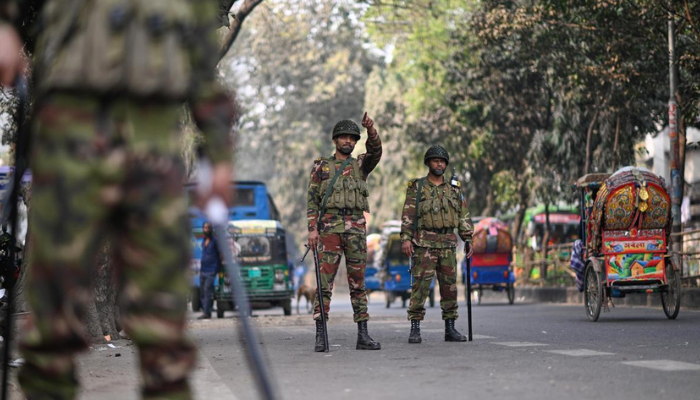
The issue revolves around the India-Bangladesh border in West Bengal, where several stretches remain unfenced due to land acquisition delays. According to BJP leaders, the previous government under Mamata Banerjee had allegedly blocked the process by not allocating the required land to the BSF, creating serious concerns regarding border security and illegal infiltration.
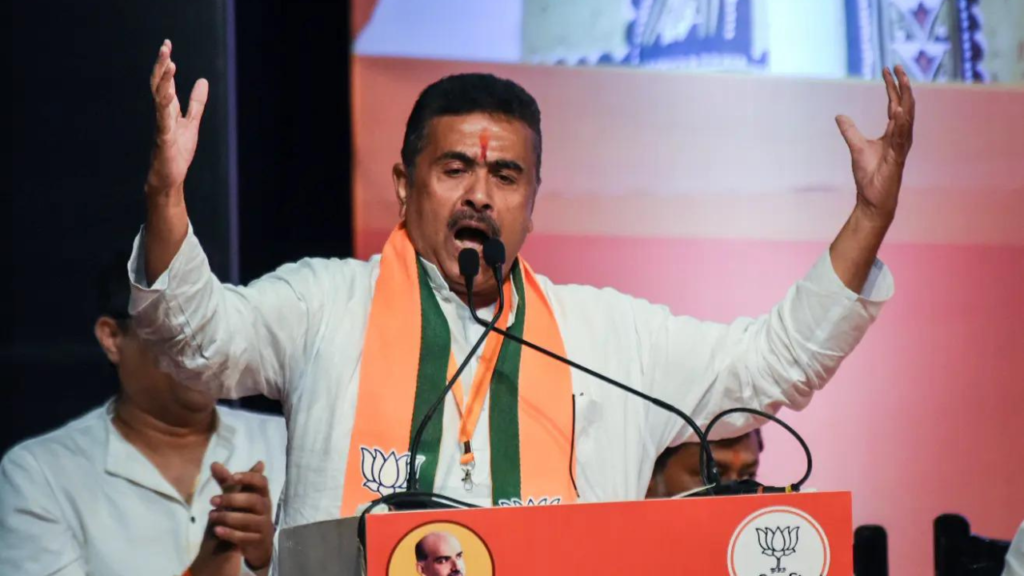
Major Approval by West Bengal Chief Minister Suvendu Adhikari
West Bengal government minister Dilip Ghosh addressed the media and stated that Chief Minister Suvendu Adhikari has given immediate approval for the fencing work, which had been pending for a long time. He said that the decision was taken on the very first day of the new government and the required land would be made available within 45 days.
According to Ghosh, the Central Government, including Union Home Minister Amit Shah and Defence Minister Rajnath Singh, had repeatedly requested the West Bengal government to provide land for the fencing work. He mentioned that Amit Shah had previously helped complete fencing across nearly 500 to 600 kilometers of the border, but around 300 to 400 kilometers still remain open and vulnerable.
Now, with the intervention of West Bengal Chief Minister Suvendu Adhikari, the remaining work is expected to begin soon. Ghosh also confirmed that discussions with the BSF are currently underway and that construction work in areas where fencing had stopped would resume immediately.
BJP Accuses Mamata Banerjee Government of Delaying Security Work
Dilip Ghosh directly blamed the previous Mamata Banerjee-led government for the poor condition of the border. He stated that the former administration had refused to provide land to the BSF, which weakened border security and allowed illegal infiltration from neighboring countries.
He further claimed that Defence Minister Rajnath Singh had held multiple meetings with former Chief Minister Mamata Banerjee regarding the land issue. According to him, the central government had even released funds for the project on the very first day, but despite that, no concrete action was taken by the previous state government.
BJP leaders argue that the lack of fencing made West Bengal vulnerable to illegal crossings and security threats. They allege that this open-border situation was politically misused during elections by bringing in outsiders through these routes.
Crackdown on Illegal Infiltration
One of the biggest concerns raised by BJP leaders is illegal infiltration from neighboring countries. Dilip Ghosh said that once complete border fencing is in place, people from neighboring nations will no longer be able to enter West Bengal secretly.
He added that the government is now preparing for stricter control over infiltration and intends to permanently close all routes that allow unauthorized entry into India. According to BJP, this move will help maintain peace, law, and stability in the state.
West Bengal Chief Minister Suvendu Adhikari’s approval of the fencing project is being presented by the BJP as a strong message that national security will now be given top priority. The party believes that securing the border will also reduce illegal activities, smuggling, and cross-border crime.
Political Impact in West Bengal
The border fencing issue has quickly turned into a major political debate between BJP and TMC. While BJP is projecting the move as a long-overdue correction of past failures, TMC supporters are likely to question the timing and political messaging behind it.
Border security has always been a sensitive issue in West Bengal due to its geographical location and long international border with Bangladesh. Any decision related to fencing, infiltration, and BSF operations often carries both political and emotional weight.
By taking this step immediately after assuming office, West Bengal Chief Minister Suvendu Adhikari has signaled a strong administrative shift. BJP leaders are using this decision to reinforce their narrative of governance focused on national security and strict border control.
Demand for Strict Quality Checks on Food Products
Apart from the border issue, minister Dilip Ghosh also raised concerns over food adulteration and the need for stricter quality checks across the country. He pointed out that while prices of food items continue to rise from time to time, quality standards are often ignored.
He specifically mentioned milk quality as a serious concern, saying that several complaints have been received regarding adulteration. According to him, proper testing is not being conducted, and harmful chemicals are reportedly being mixed into milk and other daily-use products.
Ghosh emphasized that this is directly related to public health and cannot be ignored. He said both quality and quantity must be maintained properly and urged the government to take stronger action in monitoring food safety standards.
This statement adds another important public issue to the political conversation, showing that along with border security, the government is also being pushed to focus on consumer safety and health concerns.
A Strong Start for the New Government
The approval of border fencing by West Bengal Chief Minister Suvendu Adhikari has become one of the first major political talking points of the new administration. BJP leaders are presenting it as proof of decisive leadership and faster governance compared to the previous government.
The promise to provide land within 45 days and restart stalled fencing work has created strong reactions across political circles. Supporters see it as a bold and necessary step, while critics may continue to debate the political intent behind the decision.
Regardless of the political arguments, border security remains a serious national issue. If the project moves forward as promised, it could have long-term implications for both security management and political dynamics in West Bengal.
For now, all eyes remain on how quickly the administration under West Bengal Chief Minister Suvendu Adhikari can turn this announcement into visible action on the ground.
Conclusion
The decision taken by West Bengal Chief Minister Suvendu Adhikari to approve border fencing on his very first day in office has sparked strong political reactions across the state. BJP leaders are calling it a major step toward strengthening national security, while also using it to criticize the previous Mamata Banerjee-led government for delaying the project for years.
With around 300 to 400 kilometers of border area still left unfenced, the issue is directly linked to illegal infiltration, cross-border crime, and overall law and order in West Bengal. The new government’s promise to provide land within 45 days and restart stalled fencing work shows a clear focus on border protection and stricter administrative control.
At the same time, concerns raised by minister Dilip Ghosh regarding food adulteration and quality checks highlight that public health and consumer safety also remain important priorities. From national security to food quality, the government is facing pressure to deliver results on multiple fronts.
As political debates continue, the real impact will depend on how effectively these decisions are implemented. If the border fencing project moves forward successfully, West Bengal Chief Minister Suvendu Adhikari could strengthen both governance credibility and public trust in the new administration.Also Read : CBSE 12th Result 2026 Out: Did OSM Cause a Lower Passing Percentage in CBSE Class 12 Results? Know the Real Reason