
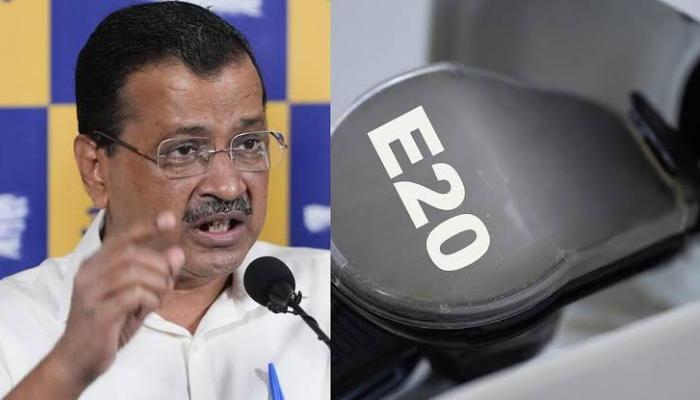
The debate around E20 fuel safe for pre-2023 vehicles has gained fresh attention after Arvind Kejriwal urged leading automobile manufacturers, including Toyota, Maruti Suzuki, and Hero MotoCorp, to provide a written clarification regarding fuel compatibility. The request comes as millions of vehicle owners across India remain uncertain about whether older cars and motorcycles can safely run on E20 petrol without affecting performance or engine life.
As India continues to promote ethanol-blended fuel to reduce dependence on imported crude oil and lower carbon emissions, consumers are seeking clear answers. Consequently, Kejriwal’s demand highlights the importance of transparency and consumer confidence in the country’s transition toward cleaner fuels.
Why Is E20 Fuel Important?
E20 fuel is petrol blended with 20% ethanol. The Indian government has been encouraging its adoption as part of its clean energy and sustainability goals. Ethanol is produced from agricultural sources such as sugarcane, maize, and other biomass, making it a renewable fuel option.
Moreover, increasing ethanol blending helps:
- Reduce crude oil imports.
- Lower greenhouse gas emissions.
- Support Indian farmers.
- Improve energy security.
- Promote sustainable transportation.
However, despite these environmental benefits, many vehicle owners remain concerned about whether older engines can handle the higher ethanol content.
Kejriwal Seeks Written Assurance from Automakers
Arvind Kejriwal has reportedly called upon Toyota, Maruti Suzuki, and Hero MotoCorp to officially clarify in writing whether E20 fuel safe for pre-2023 vehicles. According to him, consumers deserve clear and documented information instead of relying on verbal statements or assumptions.
Furthermore, he emphasized that if manufacturers believe older vehicles are compatible, they should provide written confirmation. On the other hand, if there are risks involved, vehicle owners should be informed accordingly.
This demand aims to protect consumers from unexpected repair costs and ensure they make informed decisions while refueling.
Why Owners of Older Vehicles Are Concerned
Many vehicles manufactured before 2023 were originally designed to operate primarily on E10 fuel, which contains up to 10% ethanol. While some manufacturers later upgraded engines to support E20, not every older model was specifically tested for higher ethanol blends.
Some common concerns include:
- Engine component wear.
- Fuel hose deterioration.
- Reduced fuel efficiency.
- Starting issues.
- Increased maintenance expenses.
Therefore, vehicle owners want official guidance directly from manufacturers before regularly using E20 fuel.
What Automakers Have Said So Far
Several automobile manufacturers have previously indicated that many of their newer models are E20-compatible. Additionally, companies have gradually introduced vehicles designed specifically for higher ethanol blends.
Nevertheless, owners of older vehicles continue requesting model-wise compatibility information. A written clarification could help eliminate confusion and provide confidence to millions of customers across India.
Government’s Push for Ethanol-Blended Fuel
The Indian government has aggressively promoted ethanol blending under its clean fuel initiatives. The long-term objective is to reduce pollution while strengthening India’s energy independence.
As a result, fuel stations across several states have started supplying E20 petrol. This rollout makes it increasingly important for manufacturers to communicate compatibility details clearly.
In addition, experts believe public awareness campaigns and detailed vehicle guidelines can make the transition smoother for consumers.
Benefits of E20 Fuel
If a vehicle is designed for E20 compatibility, owners may experience several advantages.
Some key benefits include:
- Lower carbon emissions.
- Reduced dependence on fossil fuels.
- Cleaner combustion.
- Support for renewable energy.
- Positive environmental impact.
However, these benefits depend largely on whether the vehicle is engineered to safely use E20 fuel.
What Vehicle Owners Should Do
Until manufacturers release detailed written guidance, experts recommend following your vehicle’s owner’s manual and checking official service advisories.
Vehicle owners should:
- Verify fuel compatibility with the manufacturer.
- Consult authorized service centers.
- Avoid making assumptions based on similar models.
- Monitor engine performance after switching fuel.
- Keep maintenance schedules up to date.
Taking these precautions can help avoid unnecessary mechanical issues.
Why Written Confirmation Matters
A written assurance provides accountability and protects consumers. It also reduces misinformation circulating on social media and online forums.
Moreover, transparent communication builds trust between automakers and customers. As India expands E20 fuel availability nationwide, clear documentation can prevent confusion and ensure a smoother transition for all motorists.
Final Thoughts
The discussion surrounding E20 fuel safe for pre-2023 vehicles is becoming increasingly important as India accelerates its shift toward ethanol-blended fuel. Kejriwal’s request for written clarification from Toyota, Maruti Suzuki, and Hero MotoCorp reflects the concerns of millions of vehicle owners who simply want reliable information before making the switch.
Ultimately, official written guidance from manufacturers would help consumers make informed decisions, protect their vehicles, and support India’s clean energy goals with greater confidence. As the rollout of E20 fuel continues, transparency and clear communication will remain essential for both automakers and motorists.